
Walnut blasting: the carbon off, the smooth running back
On a direct-injection engine nothing washes the intake valves, so oily vapour bakes onto them as hard carbon and the engine starts to stumble. We show you the carbon on camera, blast it off with crushed walnut shell, and show you the clean valves after.
From £590all in, seals and gaskets included
- Camera check first, with photos of your valves
- Seals and gaskets included in the price
- Price fixed in writing before we start
Quick answer
Walnut blasting cleans hard carbon off the back of the intake valves on direct-injection petrol engines such as the BMW B58 and N55, MINI Cooper S and VW Group TSI. Rootes Motors in Bletchley, Milton Keynes checks the valves with a camera first. From £590, seals and gaskets included.
Is this your car?
Two questions. Does your car have one of these engines, and does it do any of the things in the second list? If both are yes, carbon on the valves is a strong suspect.
1. The engines that get it most
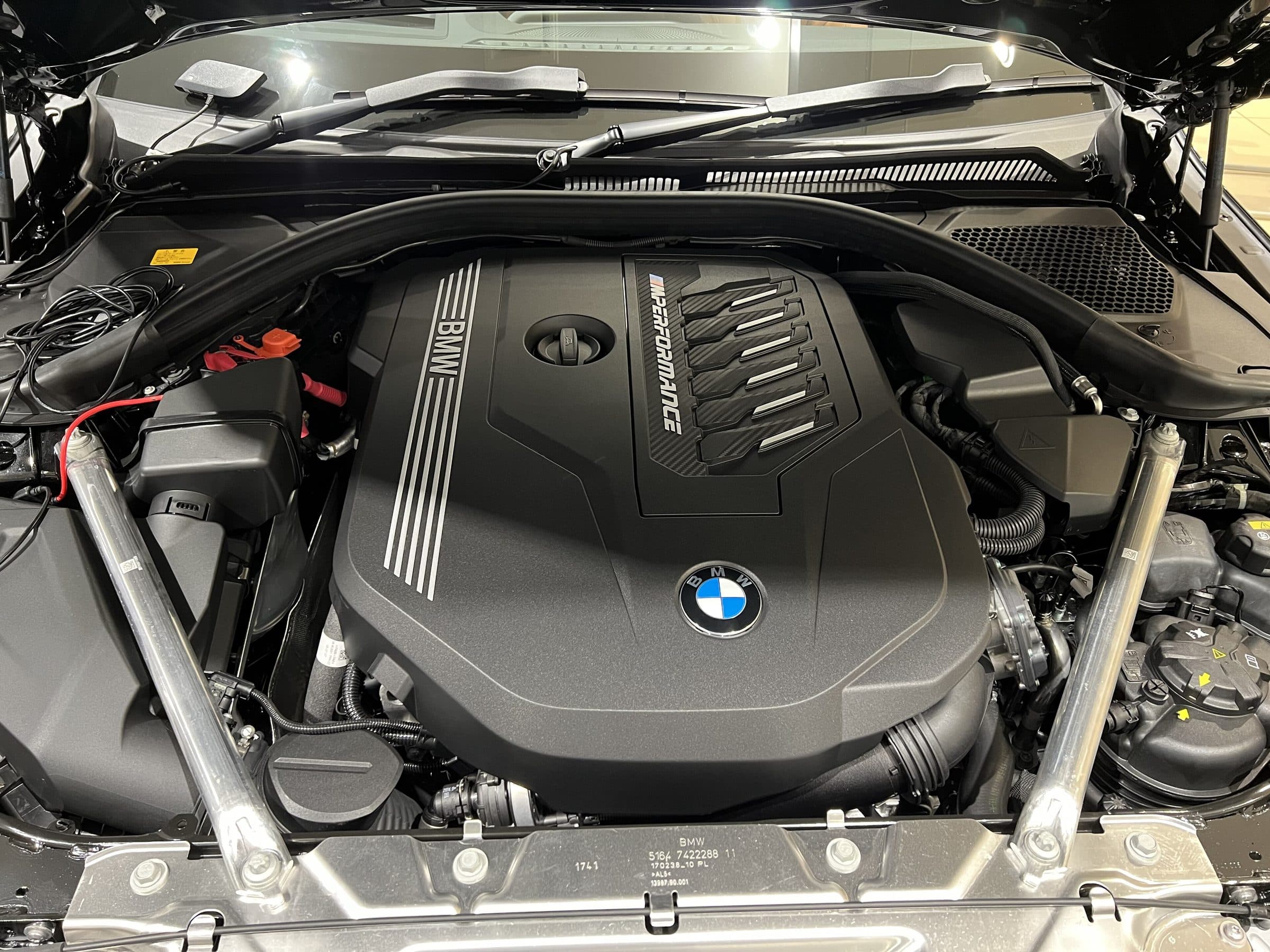
BMW B58 3.0 six-cylinder
M140i, M240i, 340i, 440i, M340i, X3 M40i, Toyota GR Supra
Direct injection only. Specialists see first symptoms at around 50,000–60,000 miles, and it comes back.[2]
BMW N54 and N55 3.0 turbo six
135i, 335i, 535i, M135i, M235i
The engines that made walnut blasting well known. Tuned cars need it sooner.[3]
BMW four-cylinder N13, N20, B46 and B48
118i–125i, 320i, 328i, 330i, 520i and most four-cylinder BMW petrols since about 2011
Turbo direct-injection petrol engines with the same mechanism.[4, 9]
MINI N14 and N18 1.6 (Prince)
Cooper S and John Cooper Works, R56 generation and relatives (2007–2014); the same engine family was in Peugeot and Citroën 1.6 THP models
One of the best-known carbon engines. If the coils and plugs test good, carbon on the valves is the next suspect for a misfire.[4, 5]
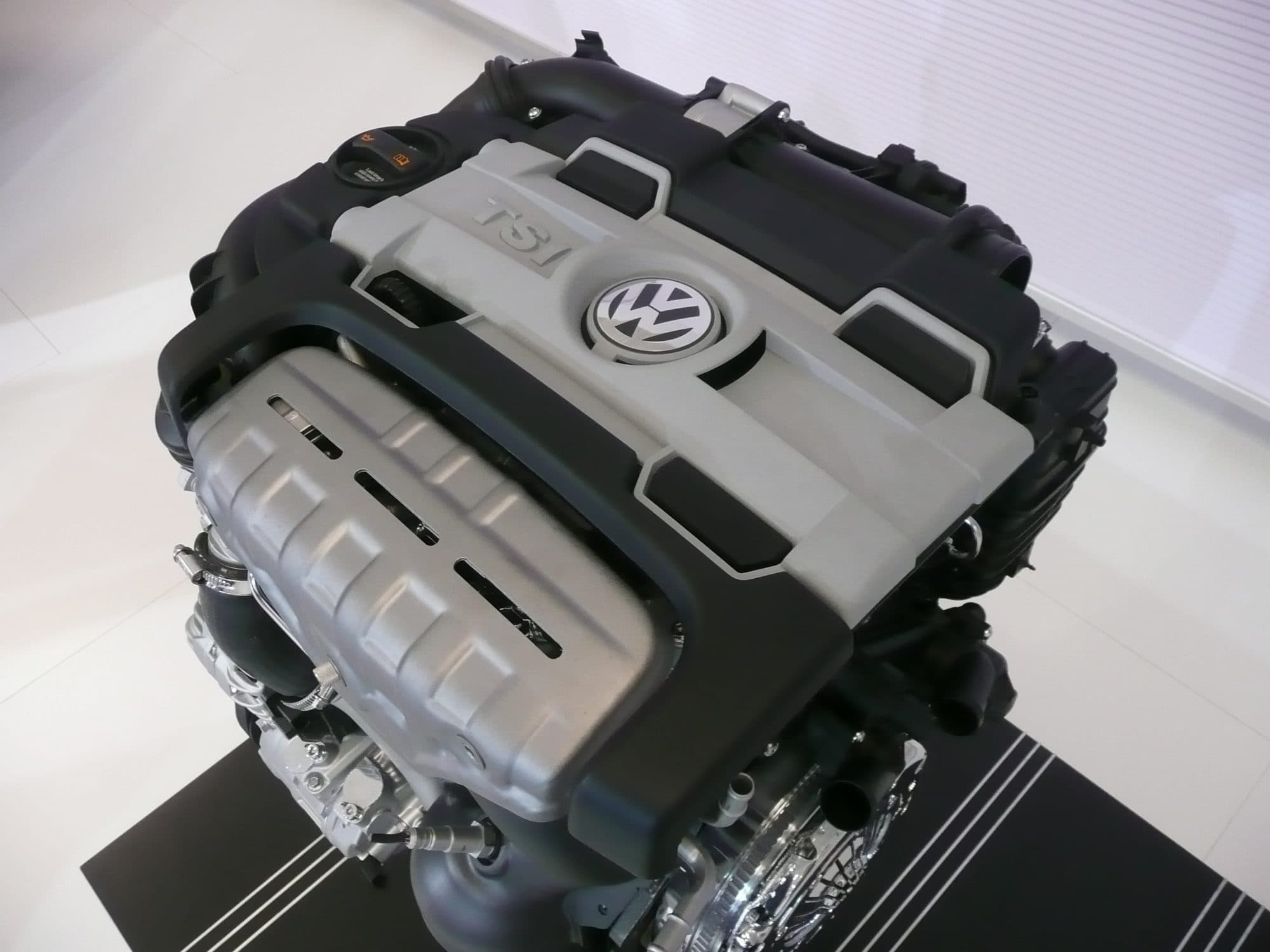
VW Group TSI and TFSI petrol
Golf GTI and R, Audi A3, S3, TT, A4 and A5 2.0 TFSI, SEAT Leon Cupra, Škoda Octavia vRS — especially the earlier 2.0 FSI and EA888 generations
Direct-injection-only versions carbon up. Many later EA888 engines sold in Europe also have port injectors, which keep the valves far cleaner, so we check yours from the VIN.[9, 10]
Audi 4.2 FSI V8 and 5.2 FSI V10
B7 RS4, R8 V8, S6 and S8 V10, R8 V10
High-revving direct-injection engines known for heavy intake carbon; the manifold has to come off and needs new gaskets.[6, 7]
Mercedes direct-injection petrol (M270, M274, M276)
Four-cylinder A-, B-, C- and E-Class petrol models from about 2012, and the V6 petrol 350 and 400 models
Owners report the same intake carbon as other direct-injection engines. We look before we quote.[8, 9]
Engines that rarely need it
Not every modern petrol engine needs this. Engines with port injectors as well as direct injectors — Toyota and Lexus D-4S engines (including the GR86 and GT86), and many later VW Group EA888 engines — wash the valves on every cycle, so they stay far cleaner. Older port-injected engines don't get it at all. If your engine has port injectors, we will tell you, and you probably don't need it.[10]
2. What you notice
- Rough cold start. A stumble or shake for the first minute, smoothing out as the engine warms up.
- Misfire codes. Engine light with P0300 (random misfire) or a cylinder code such as P0302 or P0303, often on a cold start.
- Lumpy idle. The rev needle hunts and the car vibrates at the lights.
- Flat and hesitant. Less pull than it used to have and a hesitation when you put your foot down.
- Worse economy. The engine works harder for the same speed, so the miles per gallon drop.
Every one of those can also be a coil, a plug, an injector or an air leak, so we never sell this blind.[2, 5]
Sounds like yours?
Book a valve check. We read the engine, put a camera on the valves and send you the photos with a fixed price. If it isn't carbon, we tell you.
Why direct-injection engines carbon up
On an older port-injected engine, the injector sprays fuel at the back of the intake valve on every cycle. Petrol is a good solvent, so the valve stays clean. A direct-injection engine sprays the fuel straight into the cylinder instead, and the back of the valve only ever sees air.[1, 10]
That air is not clean. The crankcase breather (PCV) feeds oily vapour back into the intake, and the hot valve bakes it on, layer by layer, into a hard black crust. A turbo engine worked hard pushes more of that vapour through.[1, 2]
Nothing you put in the fuel tank can reach it, because the fuel never touches the valve. Once the crust is thick, it has to come off mechanically.[11]
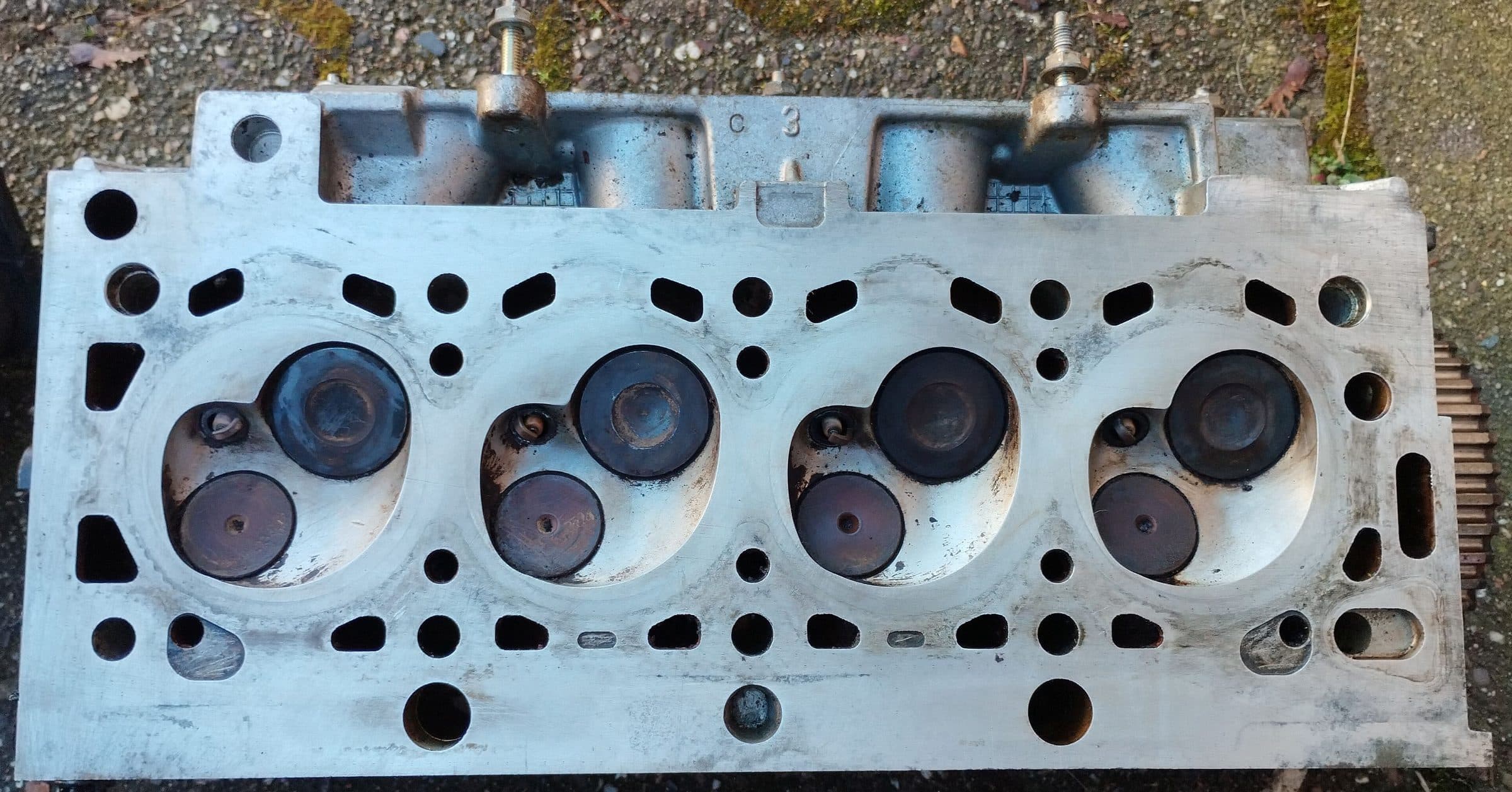
We show you the valves before we touch them.
How we do it
Walnut blasting is only as good as the kit and the care behind it. The car makers' own workshop procedures for the job (BMW's and Subaru's are in the sources) call for a walnut blaster with vacuum extraction, adaptors for the ports, clean walnut shell media and each cylinder's valves shut before it is blasted. That is the set-up in our workshop, with a camera added so you see the before and after.
- Read the engine. Read the fault codes and misfire counters and check the engine on live data, so coils, plugs, injectors or an air leak aren't mistaken for carbon.
- Look at the valves. Look at the valves with a camera and send you the photos with a fixed price before any work starts.
- Manifold off. Take the intake manifold off and cover everything we are not working on.
- Close the valves. Turn the engine until both intake valves of the cylinder are shut, so nothing can get past them.
- Blast and vacuum. Blast the port with walnut shell media through a sealed adaptor that vacuums the carbon and media out as it goes.
- Check every port. Vacuum and inspect each port before moving to the next cylinder, until every valve is clean.
- Rebuild with new seals. Refit the manifold with new gaskets and seals.
- Reset and road-test. Reset the engine adaptations, clear the codes and road-test the car.
- Show you. Send you the before and after photos with the job record.

The kit
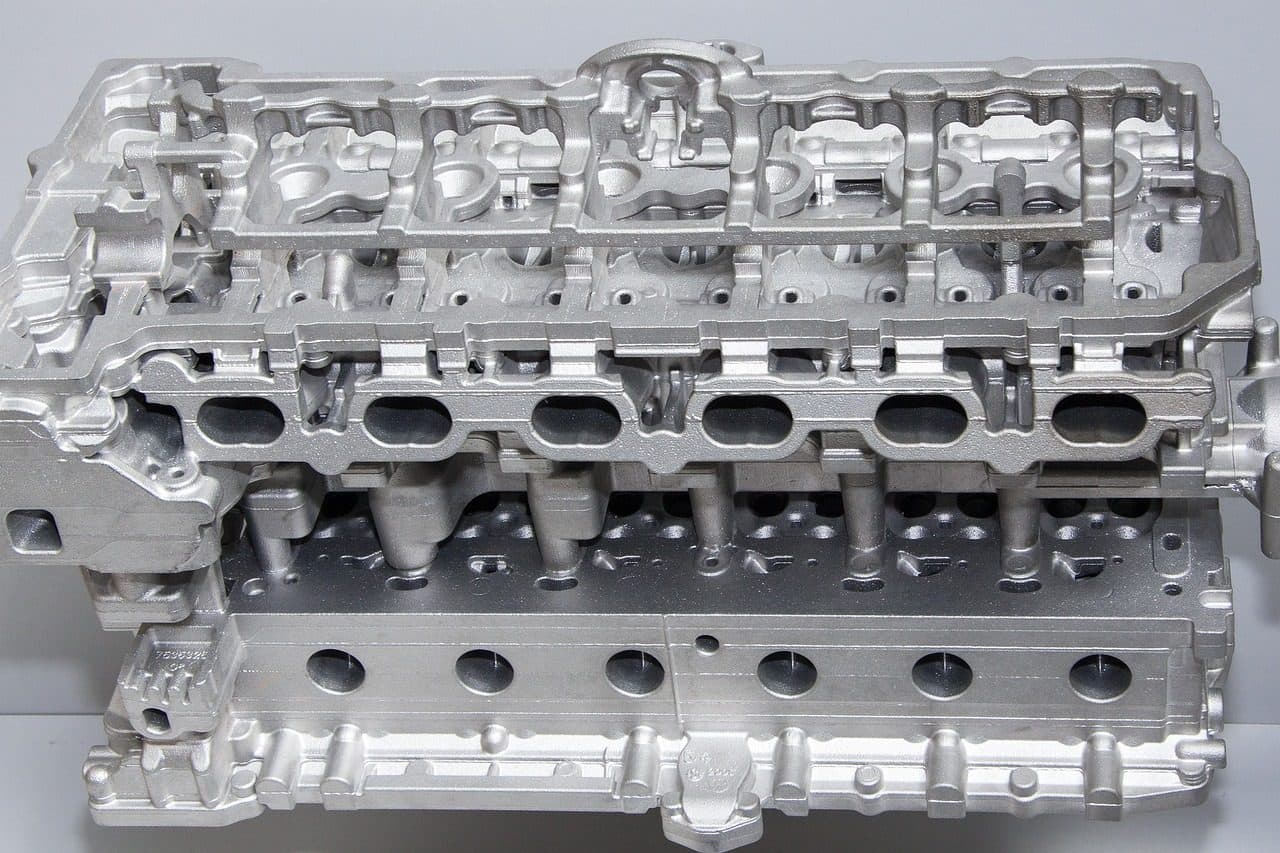
- A dedicated walnut media blaster with its own extraction
- Media goes in and comes straight back out through a vacuum line, port by port, so the carbon and the shell are collected as the job goes rather than left to settle in the engine.
- Port adaptors for the engine
- Sealed adaptors and nozzles shaped for the engine's ports, so the blast reaches the whole back of the valve and the extraction seals against the head.
- Graded walnut shell media
- Crushed walnut shell of a set grit size: hard enough to break up carbon, soft enough not to mark an aluminium head or the valve. Subaru's procedure calls for new media on every job.
- A borescope inspection camera
- A camera on a flexible cable that looks at the valves through the port before we quote, and after we finish, so you see both.
- Engine turning tools and new seals
- Tools to turn the engine and hold each cylinder with its intake valves shut, and new manifold gaskets and seals for the rebuild, in the price.
Why not a DIY or spray-in job
Improvised blasting — no extraction, no sealed adaptor, the valves not checked shut — is how media ends up in a cylinder. Subaru's own bulletin warns that walnut shell left inside the engine may cause starting failure or stalling, which is why every port is vacuumed and inspected before the manifold goes back on. Spray-in cleaners are a different thing again: they don't remove a hard crust at all.[16, 14]
Why have it done here
Evidence before money
We read the engine and put a camera on the valves before quoting. Misfires have other causes; if yours isn't carbon, you hear that from us first.
You see the before and after
Photos of your valves before we start and after we finish, sent to you with the job record.
Done the way the makers describe
Each cylinder's valves shut before its ports are blasted, extraction on the whole time, every port vacuumed and inspected before the manifold goes back on.
No extras hiding in the price
New intake gaskets and seals, the adaptation reset and the road test are in the price. Anything else we find comes to you with photos for a yes or no.
What's in the £590
- Fault codes read and the engine checked on live data
- A camera look at the valves before anything is taken apart
- Intake manifold off
- Each cylinder turned to valves closed before its ports are blasted
- Walnut shell media blasted port by port, with the dust vacuumed out as we go
- Every port vacuumed and inspected before the next one
- New intake gaskets and seals
- Adaptations reset, codes cleared and a road test
- Before and after photos of your valves
What changes the price
From £590 for most four-cylinder petrol engines, everything above included. Six-cylinder, V8 and V10 engines, diesels and cars with seized fixings are priced after inspection, fixed in writing before we start.
Whatever the engine, you get the camera photos and the fixed price before any spanner goes near it. Nothing extra is done without your yes.
How often
There is no maker's schedule. Specialists commonly see a first clean due at around 50,000–60,000 miles on a direct-injection engine, and then roughly every 30,000–50,000 miles. Tuned cars and cars that do lots of short trips need it sooner. That is trade guidance, not a rule: we look at the valves with a camera and tell you whether yours needs it yet.[2, 3]
Tuned B58 and N55 owners
Carbon on the valves narrows the port and roughens the surface the air has to flow over. A remap adds boost; it cannot add the airflow the carbon has taken away. Owners of tuned cars are told to clean sooner than standard cars.
A high-boost engine also pushes more oily vapour through the breather, which is what bakes on. If the car is mapped, or about to be, have the valves looked at first so the map isn't fighting a choked port.[3, 1]
Mapping planned? See performance work; we health-check the engine before any remap.
Diesels: soot in the inlet
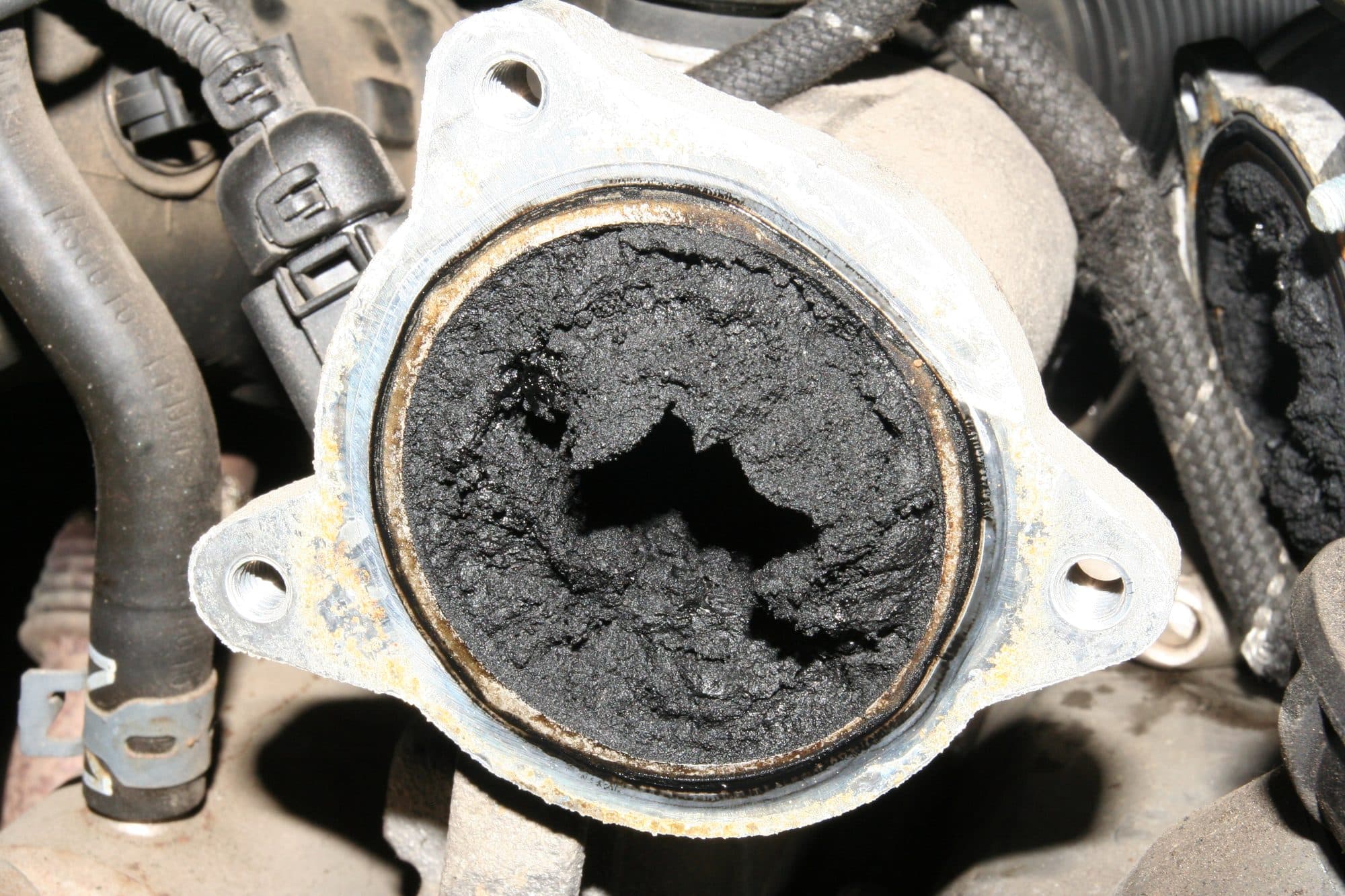
A diesel carbons up for a different reason. To cut NOx, the EGR valve feeds some exhaust back into the intake, and diesel exhaust carries soot. The crankcase breather adds oily vapour in the same place. Soot and oil together make a sticky, tar-like paste that builds up in the inlet manifold, around the EGR valve and throttle, on the swirl flaps and down the ports in the head.[15, 13]
It happens over tens of thousands of miles: one trade magazine puts it at typically 40,000–80,000 miles on BMW's six-cylinder diesel, depending on how the car is driven and maintained.[15]
What you notice on a diesel
- Lost power. The engine runs short of air and pulls less; bad cases can drop into limp mode.
- Warning light and codes. EGR, boost, air mass, swirl flap or cylinder roughness faults.
- Smoke. More smoke than it used to make, especially pulling away.
- Flat spots and worse MPG. Hesitation under load and the miles per gallon dropping.
- The DPF filling fast. A soot-choked inlet and a struggling EGR system go hand in hand with a diesel particulate filter that keeps asking to regenerate.
Any of those can have another cause — a sensor, a boost leak, an injector — so we read the engine before anyone mentions cleaning.[13, 14, 17]
Diesels we see it on
BMW diesels
Four-cylinder 2.0 diesels (N47 family: 118d–120d, 318d–320d, 520d, X1, X3) and the six-cylinder 3.0 (M57: 330d, 335d, 530d, X5)
BMW's own service bulletin for the M57 covers walnut blasting the swirl and tangential ports after misfire faults; a UK diesel specialist walnut blasts BMW's four- and six-cylinder diesels.[14, 15, 13]
VW Group 1.9 and 2.0 TDI
Golf, Passat, Audi A3/A4, SEAT Leon, Škoda Octavia — pumpe-düse and common-rail TDI, including the Mk6 and Mk7 Golf generations
Named by a UK diesel specialist that cleans their inlet manifolds and ports.[13]
Mazda 2.2 Skyactiv-D
CX-5, Mazda6 and Mazda3 2.2 diesels
Owners report carbon on the inlet valves and in the inlet manifold, and clean both EGR valves, often while chasing a DPF that fills too fast.[17]
What we do on a diesel
- Diagnose first. Read the codes and live data — EGR position, boost, air mass, swirl flaps, DPF soot load — so we know the inlet is the problem.
- Look inside. Camera into the inlet and, where we can, the ports, with photos to you and a fixed price before we start.
- Manifold and EGR off. Take off the inlet manifold, EGR valve and, where fitted, the throttle body and swirl flap assembly.
- Clean each part the right way. Walnut blast the ports in the head with the valves shut where the engine suits it; clean the manifold, swirl flaps and EGR valve off the car by other methods.
- Rebuild with new gaskets. Refit with new gaskets and seals, and check the swirl flaps move freely.
- Adapt and road-test. Reset the EGR and air mass adaptations, clear the codes and road-test on live data.
Petrol direct-injection engines start from £590 all in. A diesel inlet is a bigger, more varied job — manifold, EGR valve and ports — so diesels are priced after inspection, and the price is fixed in writing before we start.
Walnut blasting or something cheaper?
A fair comparison of what is sold as “carbon cleaning”.
- Walnut blasting
- Manifold off, crushed walnut shell blasted at each port with the valves closed and vacuumed out.
- Physically removes the carbon. The shell is hard enough to cut carbon and soft enough not to harm the metal. Takes the most labour.[9, 3]
- Fuel additives
- A bottle in the tank.
- Can't reach the valves on a direct-injection engine, because the fuel never touches them.[11]
- Induction sprays
- A cleaner sprayed into the intake with the engine running.
- May soften light deposits. Not a fix for a hard crust.[11]
- Hydrogen "carbon cleaning"
- A machine feeds hydrogen into the intake for an hour.
- Sold as maintenance. Even a UK remapper calls it "maintenance, not a repair".[12]
Questions we get asked
How much does walnut blasting cost in Milton Keynes?
At Rootes Motors walnut blasting is from £590, with new seals and gaskets, the camera check, a road test and before and after photos included. That covers most four-cylinder petrol engines. Six-cylinder, V8 and V10 engines and diesels are priced after inspection, and the price is fixed in writing before we start.
How often should walnut blasting be done?
There is no maker's schedule. Specialists commonly see a first clean due at around 50,000–60,000 miles, then roughly every 30,000–50,000 miles, sooner on tuned cars and cars that do short trips. We look at the valves with a camera and tell you whether yours needs it yet.
Does the BMW B58 get carbon build-up?
Yes. The B58 is a direct-injection engine, so the fuel never washes the intake valves and carbon builds up on them over the miles. Specialists typically see the first symptoms — a rough cold start, misfire codes, a lumpy idle — at around 50,000–60,000 miles.
Can walnut blasting damage the engine?
Done properly, no. Crushed walnut shell is softer than the valve and the head, so it removes carbon without marking the metal. The real risk is media left behind, which is why we close the valves of each cylinder before blasting it and vacuum and inspect every port before refitting the manifold.
Is walnut blasting worth it?
If the camera shows a thick crust and the car is misfiring or flat, yes: nothing else removes it. If the valves are only lightly coated, or your engine has port injectors as well as direct injectors, we will say it isn't needed yet. That is why we look first.
How long does walnut blasting take?
Plan to leave the car with us for the day. Most of the time is taking the intake manifold off, cleaning each port in turn and putting it back with new seals.
Will a fuel additive or induction cleaner do the same job?
Not on a direct-injection engine. Fuel additives can't reach the intake valves because the fuel never touches them, and induction sprays may soften light deposits at best. A hard crust has to come off mechanically.
Can you walnut blast a diesel engine?
Yes, but a diesel's problem is mostly soot from the EGR mixed with oily breather vapour, and it collects in the inlet manifold, swirl flaps and EGR valve as well as the ports. We walnut blast the ports in the head where the engine suits it and clean the manifold and EGR valve off the car. Diesels are priced after inspection.
What are the signs of a blocked inlet manifold on a diesel?
Lost power or limp mode, a warning light with EGR, boost, air mass or swirl flap codes, more smoke than usual, flat spots, worse economy and a particulate filter that keeps needing to regenerate. Those can have other causes too, so we read the engine and look inside before quoting.
What equipment do you use for walnut blasting?
A dedicated walnut media blaster with its own vacuum extraction, sealed port adaptors for the engine, new graded walnut shell media for every car, a borescope inspection camera for before and after photos, and tools to hold each cylinder with its valves shut. New manifold seals and gaskets are included.
Where can I get walnut blasting near me in Milton Keynes?
Rootes Motors, Unit 7 Rootes Works, Tavistock Street, Bletchley, Milton Keynes MK2 2PF. Customers come from across Milton Keynes and from nearby towns such as Leighton Buzzard, Buckingham, Newport Pagnell and Woburn Sands. Call 07746 922 273 or book online.
The Rootes Standard
What you get on every job
Not extras, and not only on the big jobs. This is how every car is looked after at Rootes Motors, from an oil service to a gearbox.
Fixed price in writing before we start
You get a fixed price in writing before any work begins. If we find anything else, we send you photos and a link to approve or decline it — nothing extra is done without your yes.
12-month warranty on parts we supply
12-month warranty on parts we supply (wear items and consumables excluded), and every job is road-tested and checked before handover.
Covers on, clean overalls, every car
A seat cover, steering-wheel cover and floor mat go into every car before we touch it, and we work in clean overalls — never in a customer's car in dirty clothes.
A warm, dry waiting room with coffee
On a while-you-wait job you sit in a warm, dry waiting room with a coffee — not stood outside in the cold and rain.
Paperless, with every job on record
Booking is paperless. Every job is recorded against your car, and we email you the documents confirming the work completed.
Automatic service and MOT reminders
Every registered customer gets automatic service and MOT reminders by email, so a due date never slips past.
MOT arranged on our street
We arrange your MOT at the DVSA-approved test centre on our street, take the car there and back, and fix anything that fails.
Areas we cover
We are at Unit 7 Rootes Works, Tavistock Street, Bletchley, Milton Keynes MK2 2PF. Customers bring their cars to us for walnut blasting from across Milton Keynes and the towns around it.
- Bletchleyabout 5 min · 1 mile
- Central Milton Keynesabout 10 min · 4.5 miles
- Woburn Sandsabout 10 min · 4.5 miles
- Newport Pagnellabout 15 min · 8 miles
- Leighton Buzzardabout 15 min · 8 miles
- Buckinghamabout 20 min · 13 miles
Drive times from our workshop in free-flowing traffic, rounded up.
Find out what your valves look like
From £590 all in, seals and gaskets included. Camera check and fixed price first, before and after photos at the end.
Sources
Carbon build-up is documented mostly by specialists, parts suppliers and owners rather than by the car makers, so most sources below are trade or owner sources. We checked each one on 1 November 2026.
- 1.BMW carbon buildup: why every DI engine gets it (One Fast Shop)Trade source. On direct injection the fuel never washes the intake valves; crankcase (PCV) oil vapour bakes on as carbon.
- 2.B58 carbon buildup: still an issue? (Cararac)Trade source. The B58 is direct injection; first symptoms typically around 50,000–60,000 miles, then a clean about every 30,000 miles; symptoms incl. misfire codes P0300/P0303, rough idle, lost power, worse economy.
- 3.BMW N54/N55 intake valve walnut blasting (FCP Euro)Parts retailer. N54 and N55 carbon; walnut blasting about every 30,000–50,000 miles, sooner on tuned cars.
- 4.MINI known issues: misfire P0303 (Au7o)Owner-report database. Turbocharged direct-injection MINI engines (N14, N18, B46/B48) collect carbon on the intake valves.
- 5.P0302 on the MINI Cooper 2007–2013 N14/N18 (Go-Parts)Parts retailer. If ignition parts test good, intake valve carbon is the next most likely misfire cause on these engines.
- 6.Audi B7 RS4 carbon clean-up gasket set (ECS Tuning)Parts retailer. The B7 RS4's 4.2 FSI builds intake carbon; new gaskets are needed when the manifold comes off to clean it.
- 7.The Audi S6/S8 5.2 V10 carbon clean thread (Audi Revolution)Owners' forum — one owner's experience, not an official source. Owners cleaning intake carbon from the 5.2 FSI V10.
- 8.Carbon build-up deposit, GLK X204 (MBWorld)Owners' forum — one owner's experience, not an official source. Owners reporting intake carbon on the direct-injection Mercedes V6.
- 9.Walnut blasting (Lang's Automotive)UK workshop. Walnut blasts VAG, BMW, Mercedes and Volvo direct-injection petrol engines, manifold off, new gaskets and seals, road test.
- 10.Why some engines use direct and port injection (Motor Authority)Engines with port injectors as well as direct injectors (e.g. Toyota D-4S) wash the intake valves, cutting carbon build-up.
- 11.Removing intake valve deposits in direct-injection engines (Art's Automotive)Workshop. Fuel additives can't reach the intake valves on a direct-injection engine because the fuel never touches them.
- 12.Engine carbon cleaning in the UK (Pro Remapping)UK remapper. Hydrogen carbon cleaning is "maintenance, not a repair".
- 13.Walnut media blasting and carbon cleaning (Darkside Developments)UK diesel specialist. EGR gas carries carbon into the intake manifold and the inlet to the valves; walnut blasts VW Group 1.9 and 2.0 TDI (pumpe-düse and common-rail) and BMW four- and six-cylinder diesels; symptoms: lost power, worse economy, more smoke.
- 14.Diesel intake carbon cleaning, BMW Service Information SI B11 03 14 (copy held by NHTSA)Maker's bulletin. The M57 3.0 diesel: rough running and cylinder misfire (roughness) faults caused by excessive intake carbon. Each piston set to top dead centre, swirl and tangential ports walnut-shell blasted through vacuum adapters and port-specific wands, the manifold cleaned chemically.
- 15.Carbon buildup in BMW diesel engines (The Bimmer Pub, July 2016)Trade magazine. On a diesel, soot from the EGR mixes with oil from the crankcase ventilation; typically builds up over 40,000–80,000 miles in the intake, swirl flaps and cylinder-head swirl ports; sets cylinder roughness faults.
- 16.Walnut blast cleaning procedure for carbon deposit removal, Subaru service bulletin 02-193-24R (copy held by NHTSA)Maker's bulletin, direct-injection petrol engines. Valves confirmed closed, other ports sealed, new walnut shell media through a suction hose, ports vacuumed and inspected; media left inside the engine "may cause starting failure and/or engine stalling". Symptoms: misfire codes, black smoke, lack of power, knocking, rough idle.
- 17.Mazda CX-5 2.2 SkyActiv-D — DPF filling fast (FORScan forum)Owners' forum — one owner's experience, not an official source. Owners of the 2.2 Skyactiv-D inspecting the inlet port and valve for carbon with a camera, cleaning the inlet manifold and both EGR valves, in a thread about the DPF filling fast.