
New brakes, old rust: why we clean every hub and carrier back to bare metal
New discs and pads only work as well as the surfaces they sit on. Here is why rust on the hub and the caliper carrier causes judder, squeal and uneven wear, and why we blast both back to bare metal on every brake disc job.
By Rootes Motors
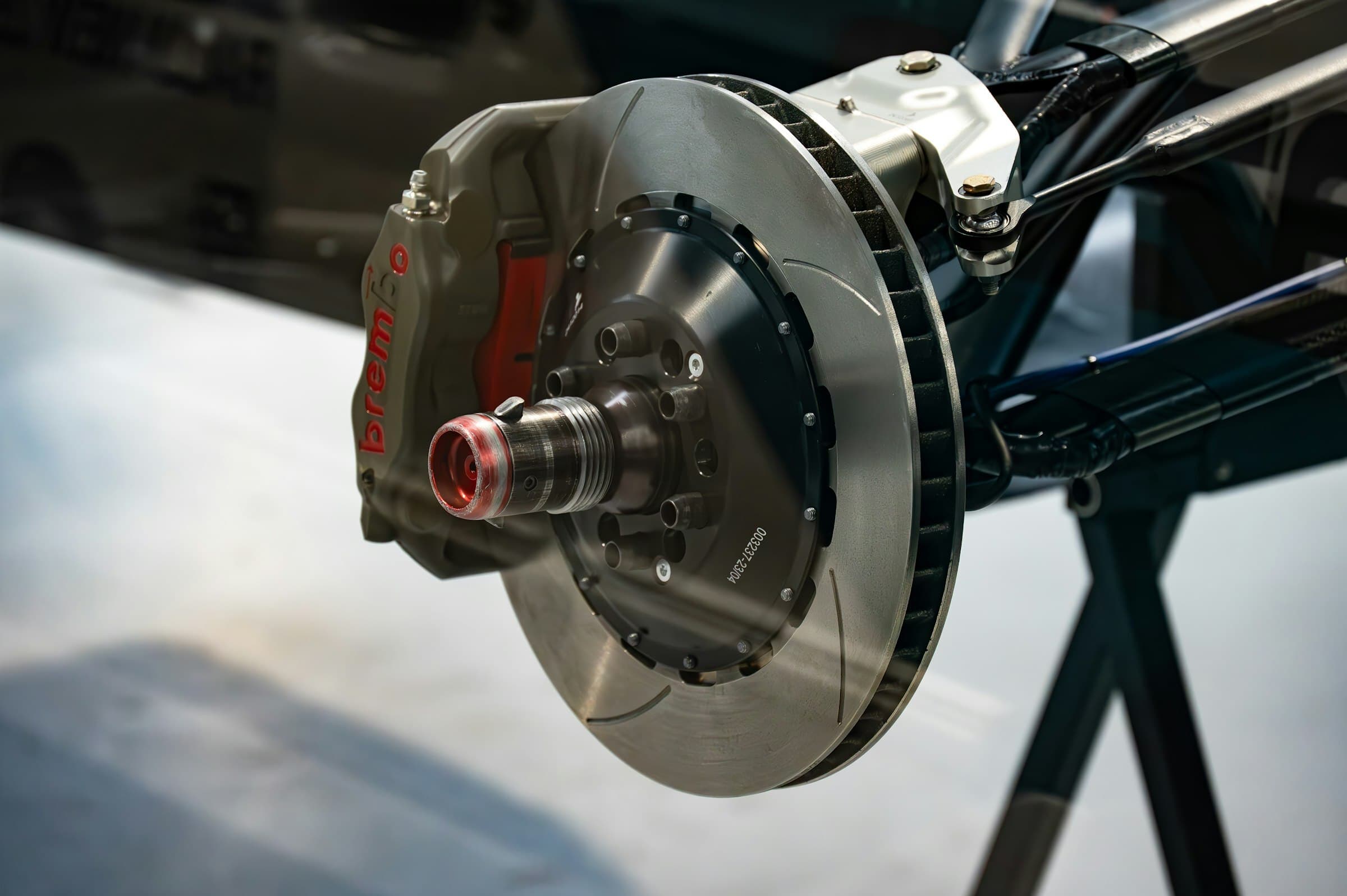
Most people judge a brake job by the parts. New discs, new pads, a receipt with a brand name on it. But a new disc is bolted to a hub that has been on the car for years, and new pads slide in a carrier that has been sitting in road spray every winter since the car was built. If those surfaces are rusty, the new parts inherit the problem.
That is why, on every brake disc service we do, the hubs and the caliper carriers are cleaned back to bare metal. We blast them, rather than give them a quick wire brush. It is the slowest part of the job, nobody sees it when the wheel goes back on, and it is the part that makes the most difference to how the brakes feel a few thousand miles later.
The part of a brake job you never see
When a disc is changed, three surfaces matter more than the new parts themselves:
- The hub face. The flat ring the disc clamps against. If it is not flat and clean, the disc cannot sit square.
- The carrier. The bracket that holds the pads. The ends of each pad sit in channels on the carrier, and the pads need to slide in and out freely every time you brake and release.
- The slider pins. On most cars the caliper floats on two pins. If they are dry or seized, the caliper cannot centre itself.
All three live behind the wheel, where water, salt and brake dust collect. All three rust. And none of them come in the box with new discs and pads.
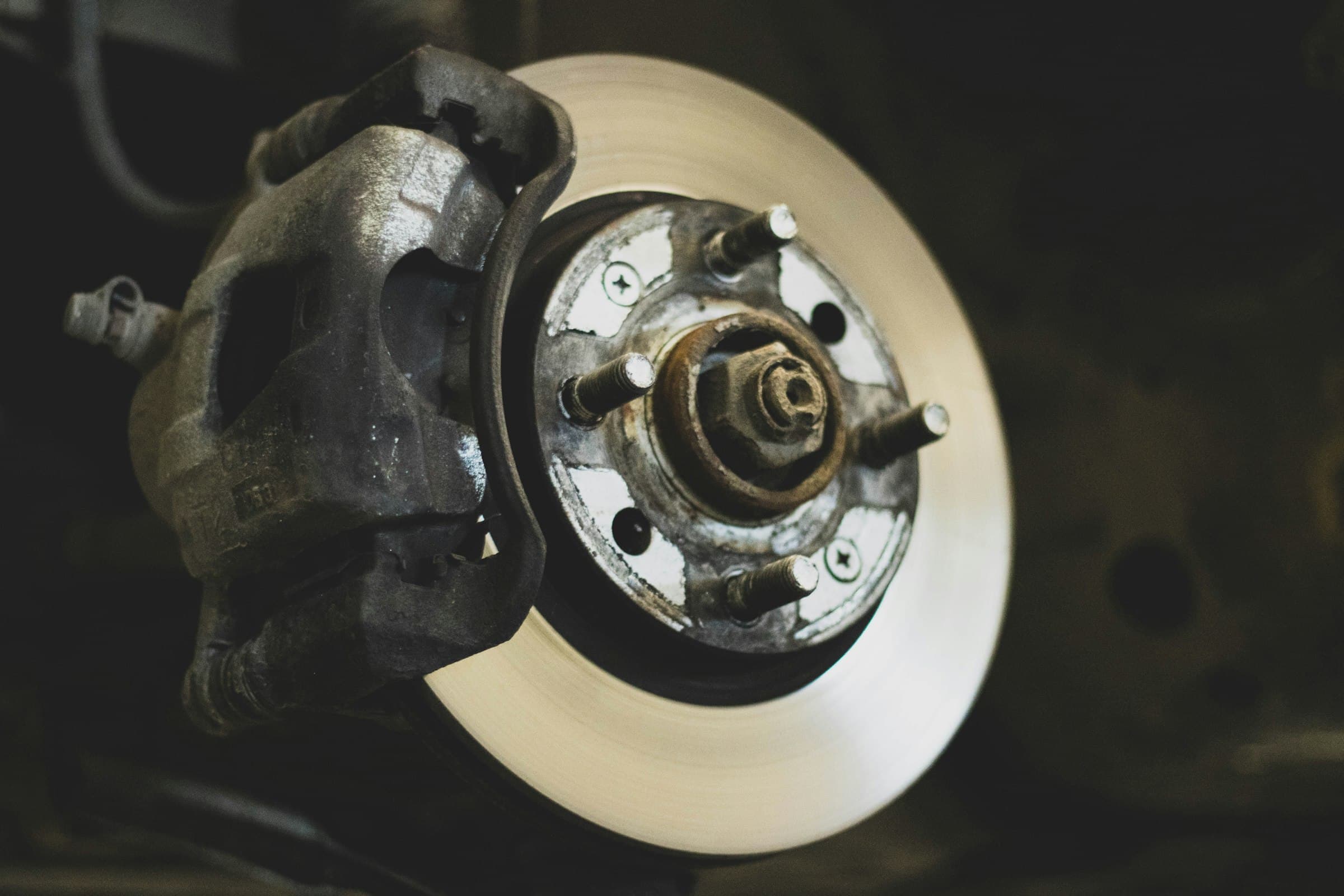
Rust on the hub: why new discs judder
A brake disc spins between the pads with very little clearance. The brake makers specify how far the outer edge of a disc may wobble side to side when it is bolted on, a measurement called run-out. Brembo's fitting instructions give a maximum of 0.10 mm for cars, and say the hub face itself should be held to about half that. Textar's figure for an installed disc is tighter still: 0.07 mm, and 0.04 mm on sensitive cars. A tenth of a millimetre is about the thickness of a sheet of paper.
Now picture a crust of rust, or a few flakes of it, trapped between the hub and the new disc. The disc no longer sits square. As the wheel turns, one part of the disc brushes the pads even when you are not braking, and the rest does not.
That light contact is the start of the trouble. Textar explains that disc thickness variation, the real cause of most brake judder, usually appears "after a few thousand kilometres", because of unintended contact between the pad and the disc when the brakes are off. It names the likely cause directly: "a defective or unclean wheel hub". Over those miles the disc wears unevenly, its thickness starts to vary around the circle, and you begin to feel it as a shudder through the pedal or steering wheel.
Ferodo's advice for brake judder starts in the same place: check for rust or dirt on the hub, because "rust or dirt causes poor contact between the disc and hub", and the fix is to take the disc off and clean both surfaces. Brembo's own fitting steps tell the mechanic to "thoroughly clean the disc mounting face on the wheel hub, removing any deposits and rust" before the new disc goes on.
This is where the phrase "warped discs" comes from. A car that judders after a brake job usually has discs that are worn unevenly because they never ran true, not discs bent by heat. Fitting another pair onto the same rusty hub starts the cycle again.
Rust in the carrier: why pads stick, squeal and wear unevenly
The carrier problem is quieter but just as common. Rust grows on the channels where the pad ends sit. A pad that fitted perfectly when the car was new now has to be pushed in, and once it is in, it cannot slide back when you release the pedal.
Ferodo's brake noise guidance says it plainly: if the pad is not moving freely inside the brackets, "there will be ongoing contact with the discs, causing squealing as well as tapered pads or uneven wear". Its pad fault guide lists sticking caliper slides as a cause of tapered pads, with premature pad wear, noise and uneven braking pressure as the result. Brembo's instructions say the same in one line: "The new brake pads must move freely in their guides."
A pad that drags all the time also makes heat, and that heat goes into the disc. So a sticking pad does not just wear out early. It can take the disc with it.
What "bare metal" means at Rootes
We do not try to clean around the rust. On every brake disc service:
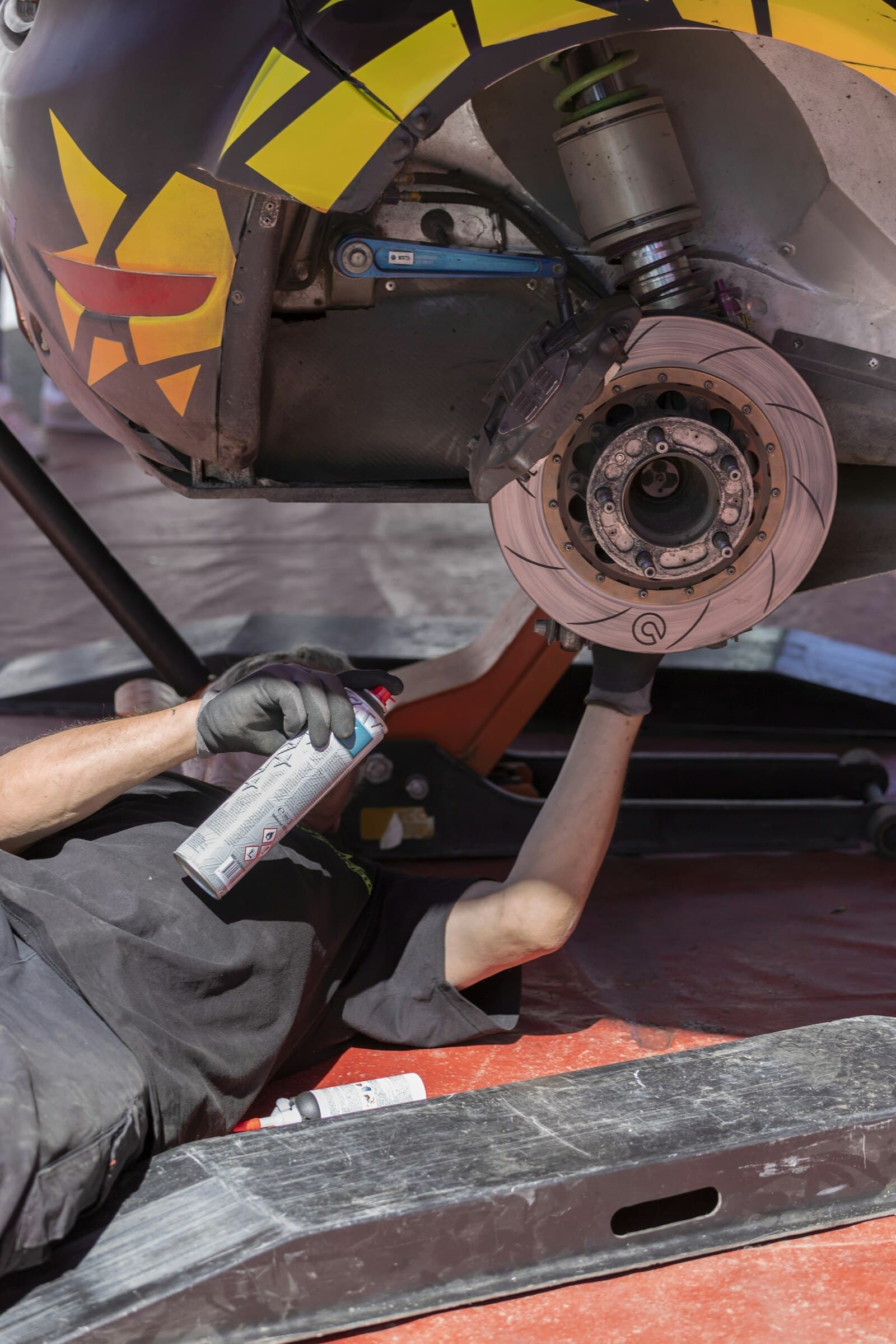
- The carriers come off the car and are blasted back to bare metal, so the pads sit and slide in clean channels.
- The hub faces are cleaned back to bare metal before the new discs go on, so each disc clamps against a flat, clean face.
- The slider pins are cleaned and re-greased, so the caliper floats freely instead of dragging one pad.
- Everything goes back together and the car is road-tested before you collect it.
It takes longer than swapping parts, and it is included in the price. We would rather spend the time once than see the car back with a judder.
What it costs
Brake prices are on our brake service page. Pads and discs are £189 per axle on small cars, £239 on family and executive cars and £299 on performance cars and large brakes. Pads alone start from £119 per axle. On a pads-and-discs job, the hub and carrier cleaning is part of that price, not an extra.
Not sure whether you need anything at all? Our free 15-minute brake check is done while you wait. We tell you what is worn and what is not, and if the discs will do another service, we say so.
Book a brake service or send us your registration for a price.
Questions we get asked
My last brake job was only a few months ago and it already judders. Why?
The most common reason is that the new discs were fitted onto hubs that were not properly cleaned. The disc runs slightly out of true, wears unevenly over the next few thousand miles, and the judder follows. It is usually curable, but the hub has to be cleaned properly this time.
Are my discs warped?
Probably not in the way the word suggests. Most judder comes from discs that have worn to an uneven thickness, very often because they never sat square on the hub. The cure is new discs fitted onto a clean hub, not just new discs.
Why do my new pads squeal?
Often because they are not sliding freely in a rusty carrier, so they stay in light contact with the disc. A pad that drags also wears into a taper. Cleaning the carrier back to bare metal is how we avoid it.
Do you do this on pads-only jobs too?
The full hub and carrier clean is part of every brake disc service. If you are booking pads on their own, ask when you book and we will tell you what your car needs before we start.
Is this anything to do with brake fluid?
No, that is separate. Brake fluid absorbs water and should be changed every two years; our guide to brake fluid changes explains why. For the noises and feelings that mean your brakes need looking at, see brake warning signs.
Sources: Brembo, "Instructions for replacing brake discs and pads" (bremboparts.com); Textar, "Don't be a victim of DTV: problems, solutions, prevention" (textar.com); Ferodo technical tips "Brake judder" and "Brake noise", and Ferodo brake pads trouble tracer (ferodo.com).
New discs and pads only work as well as the surfaces they sit on.
Book it with us
Brakes
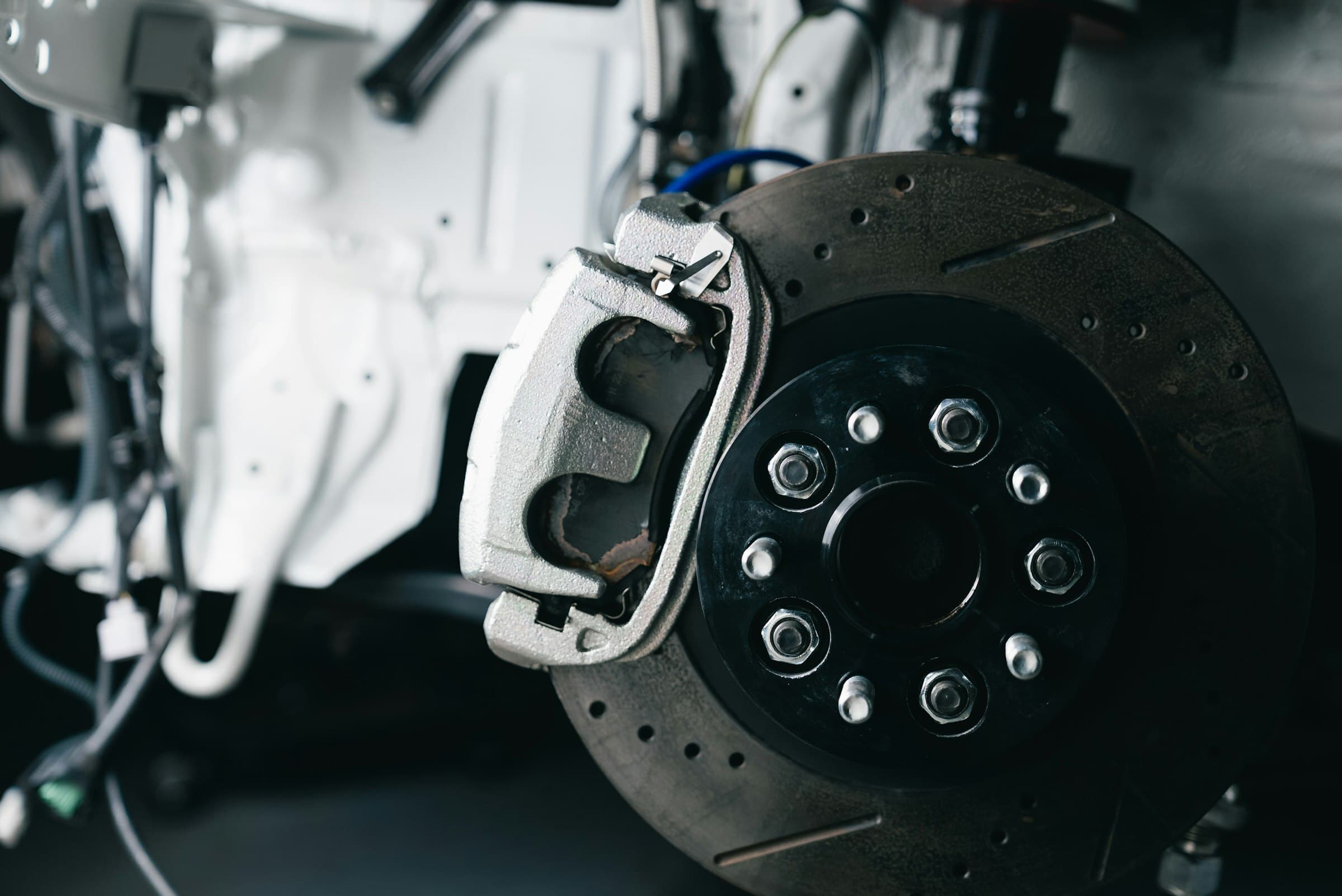
Carriers sandblasted back to clean metal every time, sliders re-greased, hubs cleaned.
from £119 per axleHappy to talk it through